Recognising When a Tree Requires Professional Attention
Minor garden maintenance can often be completed safely from ground level. However, tree cutting becomes a very different task when it involves height, heavy branches, unstable timber or difficult surroundings. Without the correct knowledge and equipment, an apparently straightforward job can become unpredictable.
For property owners in Sawbridgeworth, Hertfordshire, knowing when to contact a tree surgeon helps protect the tree, the garden and nearby structures. The following warning signs indicate that professional tree surgery is likely to be the more sensible approach.
The Work Cannot Be Completed From Ground Level
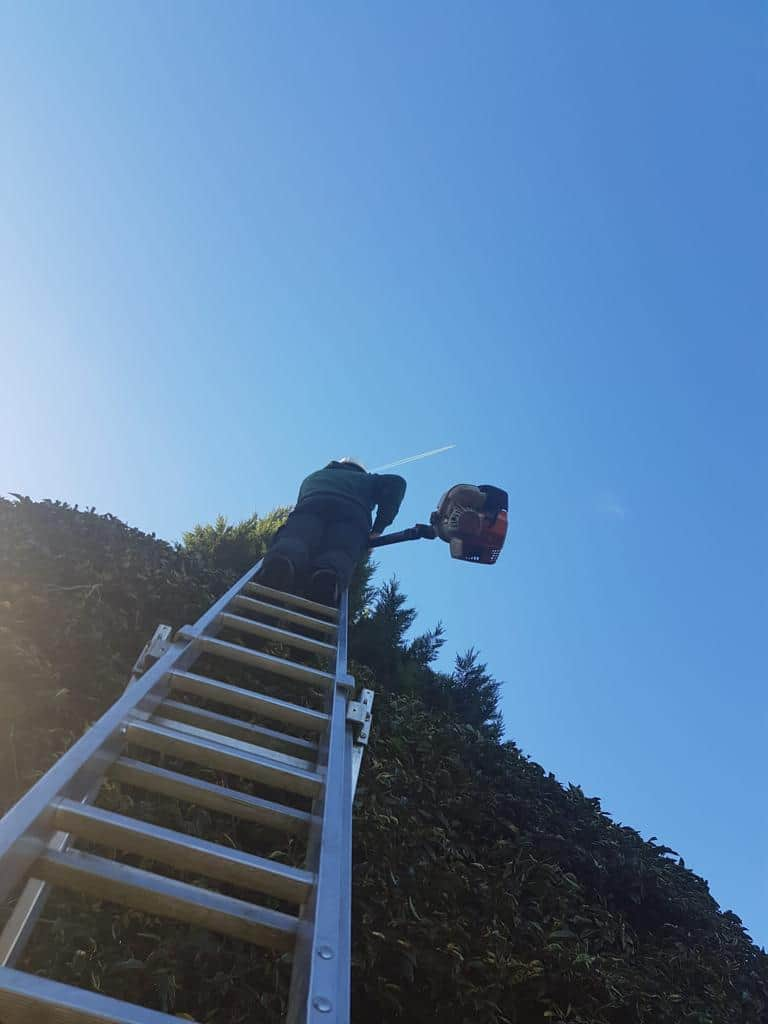
Once cutting requires a ladder or climbing into the canopy, the risks increase significantly. Using cutting tools while working at height can affect balance, while a falling branch may move differently from the way it appears before being cut.
Professional tree surgeons use appropriate access equipment and controlled working methods. This allows branches to be removed carefully without relying on unstable positions.
The Branches Are Large or Heavy
A mature branch can weigh considerably more than expected. Its weight may also be unevenly distributed, causing it to twist, swing or split as the cut progresses.
Larger limbs often need to be dismantled in manageable sections and lowered under control. Attempting to remove them in one piece can damage the tree, crush plants below or strike nearby property.
The Tree Is Close to a Building or Boundary
Tree cutting demands greater precision when branches extend over roofs, sheds, fences, driveways or neighbouring boundaries. There may be little room for timber to fall safely.
A tree surgeon can assess the available space and determine how each section should be removed. Ropes and specialist lowering techniques may be used to guide cut branches into a suitable area.
You Can See Dead, Split or Hanging Branches
Damaged branches are particularly unpredictable. A split limb may have little sound wood holding it in place, while dead timber can break suddenly when disturbed.
Warning signs include:
- Cracks where branches join the trunk
- Hanging or partially detached limbs
- Sections with no leaves during the growing season
- Broken branches caught in the canopy
- Hollow or decaying areas
- Loose bark around a weakened section
These defects should be assessed before cutting begins. The most obvious branch may not be the only unstable part of the tree.
The Tree Has Been Damaged by Strong Weather
Wind can twist branches, weaken unions and disturb the root system without bringing the tree down immediately. A storm-damaged tree may therefore appear relatively stable while containing serious hidden weaknesses.
Leaning, exposed roots, fresh cracks or a changed canopy shape can all indicate that the tree’s stability has been affected. Avoid standing beneath damaged branches or attempting to pull them down. A professional assessment can determine whether pruning, controlled dismantling or another form of tree surgery is appropriate.
Cutting Could Unbalance the Canopy
Removing branches changes how weight and wind forces are distributed throughout a tree. Taking too much growth from one side may create an uneven canopy, while indiscriminate cutting can encourage weak regrowth.
Professional pruning considers the tree as a complete structure. The aim is to address the problem while retaining a balanced form and enough healthy foliage to support continued growth.
You Are Unsure Where or How Much to Cut
Correct pruning is not simply a matter of shortening branches. Poorly placed cuts can leave unnecessary wounds, damage the branch collar and reduce the tree’s ability to recover.
The appropriate approach depends on the tree’s condition and the desired result. It may involve:
- Removing dead or damaged wood
- Thinning selected areas of the crown
- Raising lower branches
- Reducing the overall crown
- Reshaping uneven growth
- Removing a tree that cannot be retained safely
If the objective is unclear, an assessment should take place before any work begins.
Cutting Tools Are Not Suitable for the Task
Domestic pruning tools are useful for small, accessible branches. They are not designed for every type of tree work. Blunt, undersized or unsuitable equipment can produce rough cuts and make the job harder to control.
Powered cutting equipment also requires skill and a stable working position. It should never be used from a ladder or in circumstances where the operator cannot maintain full control.
The Tree Appears Diseased or Decayed
Fungal growth, cavities, extensive deadwood, thinning foliage and areas of decay can indicate declining health. Cutting without understanding the cause may remove the wrong material or expose weaknesses that were not previously visible.
A professional inspection considers the trunk, crown, branch unions and surrounding ground. This helps establish whether selective work could improve the tree or whether deterioration is more extensive.
Why Professional Tree Surgery Adds Value
Professional tree surgery is not only about completing work at height. It involves identifying the correct treatment, planning how branches will be removed and protecting the surrounding garden throughout the process.
A measured approach can:
- Preserve healthy growth where possible
- Improve the tree’s balance and appearance
- Remove damaged material safely
- Reduce avoidable harm to nearby features
- Prevent unnecessary or excessive cutting
- Produce a cleaner, more appropriate result
This is especially important for mature trees, where a poor cut or unbalanced canopy can have lasting consequences.
Conclusion
DIY tree cutting is generally best limited to small branches that can be reached safely from the ground with suitable hand tools. Professional help becomes advisable when the work involves height, heavy limbs, storm damage, decay, restricted space or uncertainty about the correct pruning method.
If a tree in your garden requires more than straightforward maintenance, Sawbridgeworth Tree Surgeons can assess its condition and recommend a suitable course of action. Contact our team for professional tree surgery in Sawbridgeworth, Hertfordshire, and arrange an informed assessment of the work required.
Call us on: 01279 967 990
Click here to find out more about Sawbridgeworth Tree Surgeons
Click here to complete our contact form and see how we can help with your tree care needs.