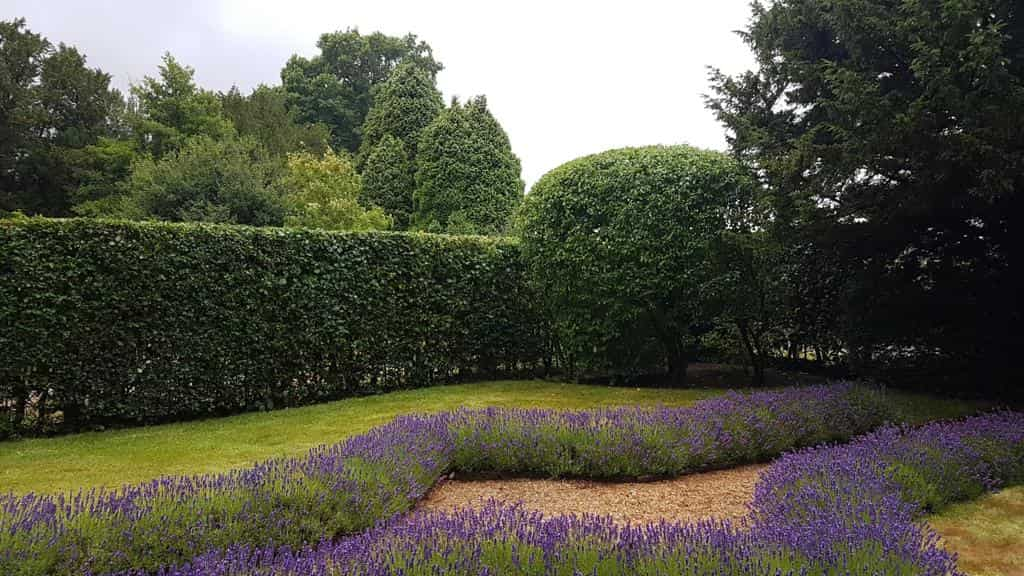
An overgrown hedge can take up valuable garden space, block natural light and make surrounding paths or planting areas difficult to use. Once growth becomes dense and uneven, occasional trimming may no longer be enough to restore a manageable shape.
Successful hedge renovation requires more than cutting every branch back to the same line. The species, condition, age and growth pattern of the hedge should all influence the approach. Careful professional work can improve its shape while protecting the healthy structure needed for future growth.
A Practical Approach to Restoring an Overgrown Hedge
The best method depends on how far the hedge has spread and whether it remains healthy beneath the outer foliage. Some hedges can tolerate substantial reduction, while others respond better to gradual work over more than one maintenance visit.
Assess the Hedge Before Cutting
A close assessment should establish the hedge species, overall health and amount of live growth. This is important because not every hedge will regrow reliably from old, bare wood.
The inspection should also identify:
- Dead, damaged or diseased branches
- Weak or crossing stems
- Areas of dense, congested growth
- Uneven height and width
- Growth obstructing paths or entrances
- Gaps within the hedge
- Sections leaning under their own weight
- Nearby plants or features requiring protection
Understanding these conditions allows the work to be planned around the hedge rather than applying the same cutting method to every section.
Decide What the Finished Hedge Needs to Achieve
Before reduction begins, it helps to define the hedge’s purpose. It may provide privacy, form a boundary, divide the garden or act as a decorative feature.
Cutting it too low or narrow could reduce screening, while leaving it too large may fail to solve the original problem. A practical finished size should suit the available space and remain manageable through routine maintenance.
Clear objectives also help determine whether the hedge can be restored in one visit or requires a staged reduction.
Reduce Excessive Growth Carefully
An overgrown hedge may contain several years of growth beyond its intended outline. Removing too much at once can leave large bare areas and place unnecessary stress on the plants.
A controlled reduction targets the branches responsible for excessive height and width while retaining sufficient healthy foliage. Cuts should be positioned carefully to encourage suitable future growth and avoid leaving torn or damaged stems.
Where a hedge has become severely overgrown, reducing one side or section at a time may provide a better long-term result.
Restore a Balanced Shape
Simply making the hedge smaller will not necessarily make it look well maintained. The top, sides and ends need to relate to one another so that the finished shape appears balanced.
A hedge is commonly kept slightly wider at the bottom than at the top. This allows more light to reach the lower foliage and can reduce the risk of the base becoming thin or bare.
Professional cutting also takes account of natural variations in the ground and growth rather than forcing an unsuitable shape onto the hedge.
Remove Dead and Congested Material
Dead branches contribute nothing to the hedge’s appearance or density. Removing them can improve the structure and make it easier to assess the condition of surrounding stems.
Congested growth may also restrict light and airflow within the hedge. Selective thinning can reduce overcrowding without removing the screening value that the hedge provides.
This work is different from trimming the outer surface. It requires individual branches to be identified and removed at suitable points within the structure.
Deal With an Uneven or Leaning Hedge
A hedge may become uneven when certain sections receive more light, suffer damage or grow around nearby obstacles. Heavy upper growth can also cause stems to lean outwards.
Correcting these problems usually involves selective cutting rather than reducing every section equally. Strong growth can be shortened while weaker areas are retained to develop.
Severely leaning or damaged stems may need to be removed, but the effect on privacy and the remaining hedge should be considered before work begins.
Avoid Cutting Back to Bare Wood Without Assessment
One of the greatest risks when renovating a hedge is cutting beyond the foliage into old wood that may not produce new shoots. The response varies between species, so a severe reduction that works for one hedge may leave another permanently bare.
An experienced tree surgeon can identify where suitable growth points remain and judge how far each section can be reduced. This makes the outcome more predictable and helps preserve the hedge as a useful garden feature.
Clear the Base of the Hedge
Weeds, fallen leaves and accumulated cuttings can make the base difficult to inspect. Clearing this material reveals the main stems and highlights damaged or weak sections.
A tidy base also makes routine maintenance easier and prevents debris from concealing unwanted shoots. Care is needed to avoid disturbing shallow roots or damaging low branches that contribute to the hedge’s density.
Support Recovery After Cutting
A renovated hedge needs time to produce new growth and regain an even appearance. Watering during dry conditions and keeping competing weeds under control can support recovery.
The hedge should be monitored for:
- New shoots developing unevenly
- Sections remaining bare
- Further branch dieback
- Regrowth extending beyond the new outline
- Gaps that require selective encouragement
- Stems becoming unstable after reduction
Follow-up trimming should be lighter and more frequent than the initial renovation work.
Establish a Regular Maintenance Schedule
Allowing a hedge to grow unchecked between occasional severe cuts often produces a coarse, uneven structure. Routine trimming keeps new growth close to the intended outline and reduces the need for another major reduction.
The appropriate frequency depends on the hedge species, growing conditions and required finish. Fast-growing hedges may need attention more often than slower-growing varieties.
Regular professional maintenance also provides an opportunity to spot structural or health concerns before they affect a larger section.
Why Professional Hedge Cutting Is Valuable
Tall, wide or heavily overgrown hedges can be difficult to cut evenly. Safe access, appropriate equipment and an understanding of how different species respond are all important.
Professional hedge cutting provides more than a tidy surface. It can address dead growth, poor structure, excessive width and an unsuitable shape as part of one planned service. The resulting hedge should be easier to maintain and better suited to the garden around it.
Conclusion
Bringing an overgrown hedge back under control requires careful assessment, controlled reduction and a realistic plan for future maintenance. The aim should be to restore a balanced, manageable shape without unnecessarily damaging healthy growth.
Sawbridgeworth Tree Surgeons provides professional hedge cutting and renovation in Sawbridgeworth, Hertfordshire. If your hedge has become too tall, wide or uneven, contact the team to arrange an assessment and discuss a suitable approach.
Call us on: 01279 967 990
Click here to find out more about Sawbridgeworth Tree Surgeons
Click here to complete our contact form and see how we can help with your tree care needs.